

Tencent’s Reported 100,000-Chip Lease
A hundred thousand AI chips sounds like a company building its own data centre. The Tencent Oracle AI chip lease was something else. According to the Financial Times, Tencent agreed in early October to rent about 100,000 advanced chips for five years, for roughly $7 billion, inside Oracle data centres in Southeast Asia. As reported, the chips would sit in Oracle’s buildings. Tencent was buying time on them.
A month later the FT reported that Oracle had walked away after US officials raised concerns. Neither company has confirmed either story. Together, the two reports make one point: when you rent compute, you hold a right to use it, and someone else can take that right back.
What Did the Tencent Oracle Deal Include?
Most of the numbers in circulation trace back to a single newspaper. The FT story, relayed by Reuters and TrendForce on 1 October, said the deal had been signed, beyond the talking stage.
Reported, and not reported
| Item | What the reports say |
|---|---|
| Chips | About 100,000 “advanced AI chips”; maker and model not named |
| Value and term | About $7 billion over five years, about 30% upfront |
| Location | Several Oracle data centres in Southeast Asia; country not named |
| Status | Reported signed (1 Oct), reported cancelled by Oracle (4 Nov) |
| Company comment | None from Tencent or Oracle on either report |
Look at the gaps. No chip brand, so any headline naming one is guessing. No country. No word on how many chips were already racked and running. Seven billion dollars is the size of the contract, and dividing it by 100,000 says little about what a GPU costs, because a lease like this would typically bundle power, buildings and networking along with the hardware.
Why Rent AI Chips Instead of Buying Them?
Training and running large models consumes chip hours. A company that buys chips also has to find a building, secure enough electricity, install cooling, wait in the delivery queue and hire people to keep it all running. A company that rents skips most of that and starts using capacity when the landlord hands over the keys.
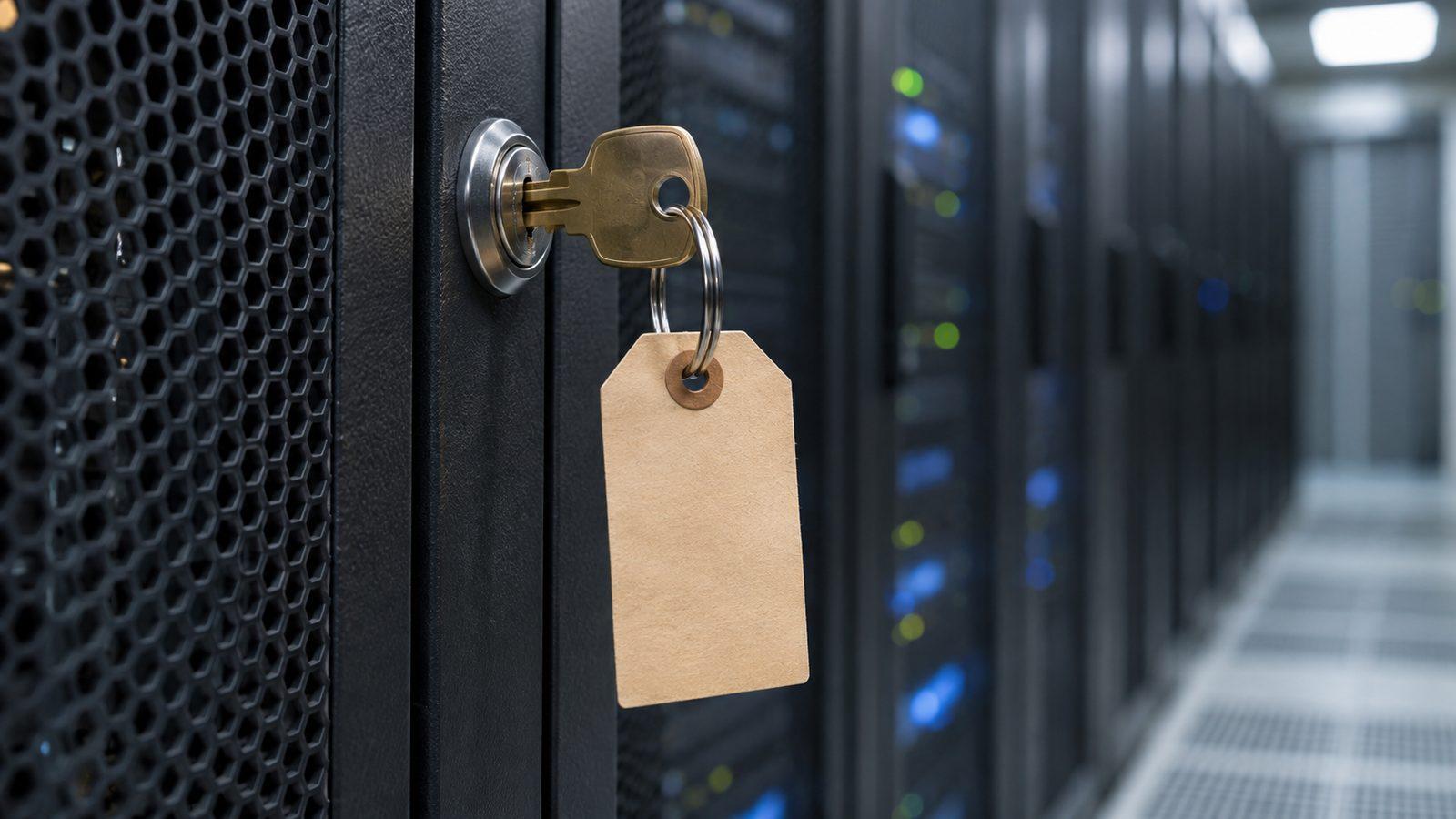
Why Oracle and not more of Tencent’s own cloud? The reports gave no reason, so what follows is our inference. Oracle had chips, or could get them, in facilities outside China, with power and floor space already built. It had pledged at least $6.5 billion for a cloud region in Malaysia alone, as Fortune reported in 2024. Oracle’s offer, in effect, was delivery: these machines are ready, and you can start using them.
Geography matters most. US export rules restrict getting the most advanced chips into mainland China. Placing them in a third country and using them remotely sits in a grey area Washington has been trying to close. ByteDance reportedly does something similar, leasing about 36,000 Nvidia Blackwell chips through a Malaysian operator, a setup Nvidia said complied with export rules, according to the Wall Street Journal as relayed by The Standard. In that model the machines sit abroad while their users may stay home.
What Does a Five-Year AI Chip Lease Lock In?
Five years is a long time in AI hardware. A chip that is top tier on signing day is mid-range two generations later. The reported lease would have locked in supply for Tencent and revenue for Oracle, with no guarantee the chips stay useful. By year four, Tencent might want newer hardware more than these 100,000. Nobody reported whether the contract allowed upgrades.
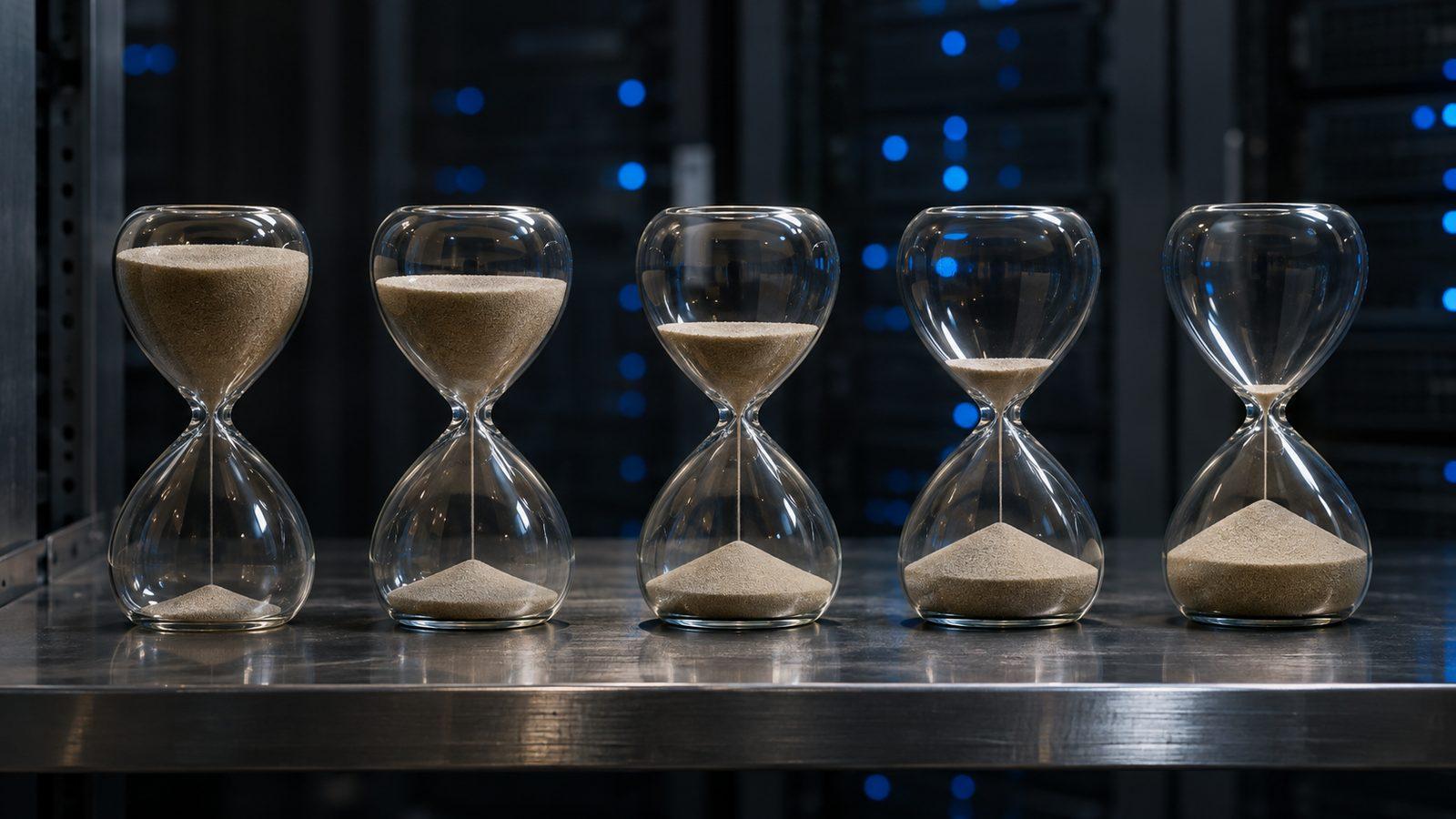
Ownership would be worse on that score: aging chips stay on your balance sheet. Renting moves that risk to the landlord. Spread evenly, the reported $7 billion comes to about $1.4 billion a year. That is our division of the headline figure, not a payment schedule; about 30% was reportedly due upfront.
Why Did Oracle Reportedly Cancel the Tencent Lease?
On 4 November the FT reported, citing two people familiar with the matter, that Oracle had abandoned the deal after US officials told the company they had concerns. The same report said senior officials in Guangdong, where Tencent is based, had been urging Tencent to back Chinese-made chips. Reuters, relaying the story through The Standard, said it could not immediately verify it. Oracle, Tencent and the White House did not respond.
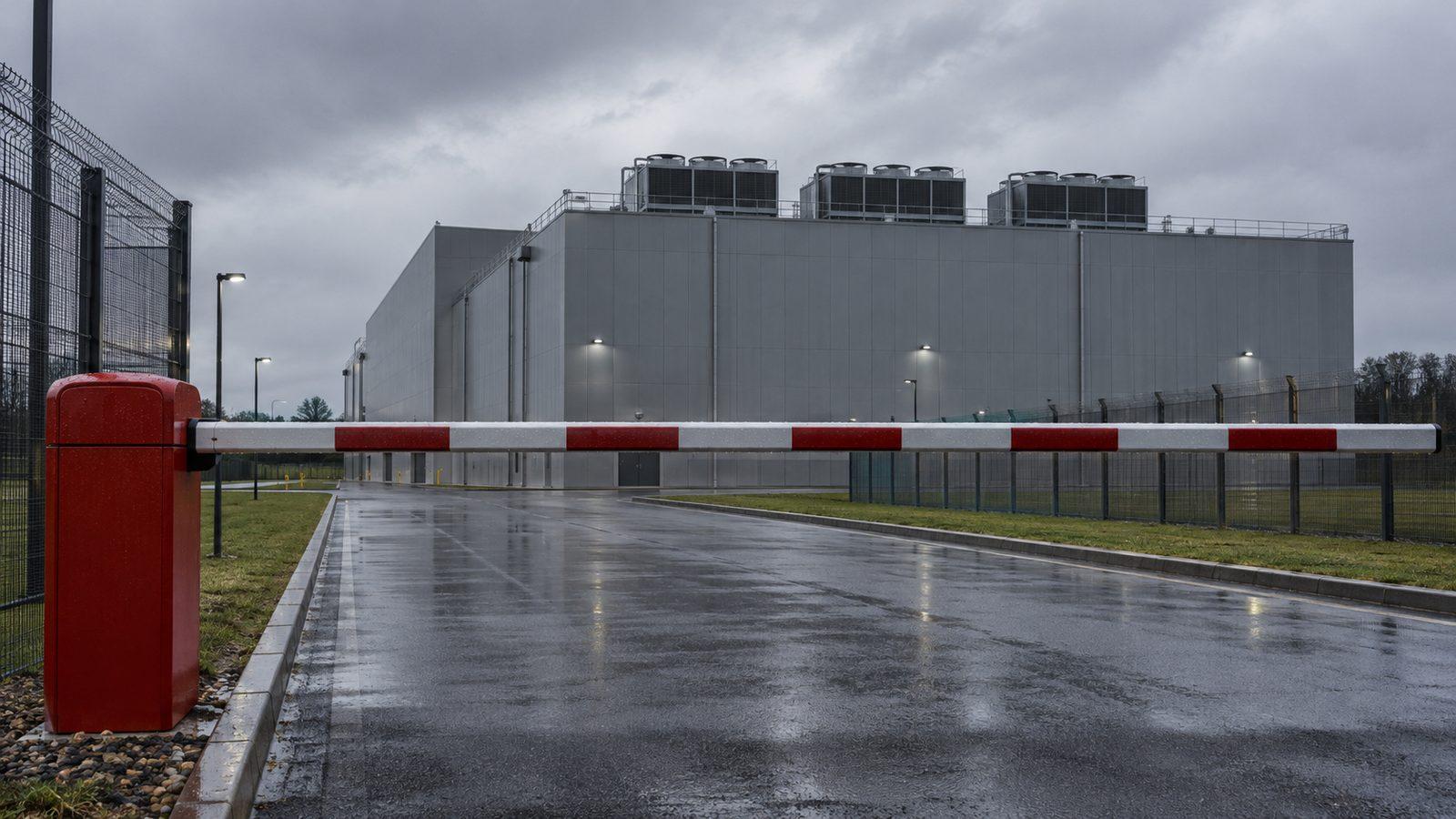
No law was cited. Nobody reported a licence denied or a rule broken. The US House passed a Remote Access Security Act in January 2026 aimed at this kind of overseas cloud access, as a Mayer Brown briefing describes, and we found no final rule in force as of November. By the FT’s account, US concerns ended the deal before any regulation had to. Guangdong’s push for domestic chips came from the other side.
Five Ways to Read the Tencent Oracle AI Chip Lease
Capacity: renting still means a delivery queue
Renting 100,000 chips is no side door around the shortage. If the chips were not already installed, Oracle would have had to buy, rack and power them in the same queue as every other customer. Tencent would have been paying to stand in that line through someone else. We covered the same squeeze from the memory side in our piece on the AI memory shortage.
Accounting: a contract, not a capital project
Buying chips shows up as capital spending and assets that depreciate. A lease is a long-term obligation with its own cash-flow and exit terms. Nothing in the reports says Tencent’s capital spending rose by $7 billion, so headlines that read it that way are adding something the reports do not contain.
Compliance: where the hard questions sit
With chips abroad and users in China, the hard questions concern the work itself. Does training data leave China? Do the model weights? Does running a model count as controlled access to restricted chips? Malaysia, for one, has required a permit since July 2025 to export or transship US high-performance AI chips, as The Star reported. Nothing reported places the Tencent capacity in Malaysia. Every country in the chain now has a rule to consult.
The cloud vendor: selling delivery, carrying the risk
Chip designers sell chips. Cloud providers sell the promise that the chips will be running when you need them. By signing, Tencent appeared to accept that delivery mattered more than ownership. The reported cancellation shows the landlord’s side: it also carries the political exposure, and can decide a tenant is not worth it.
Competition: a template invites a response
If Chinese tech companies rent overseas compute as routine practice, it becomes a template, and templates get noticed. The first deal looks like a workaround; the tenth looks like dependence, and both governments react. On this reading, the lease drew attention less for its size than for what it would have normalised. That is our interpretation; the FT reported no such motive.
A Separate Report: Is Tencent Taking Meta’s Place at Manus?
This is a different story, and no report connects it to the lease. Meta announced it would buy the AI agent startup Manus in December 2025. On 27 April 2026 China’s National Development and Reform Commission blocked the acquisition and ordered it unwound, as Fortune and SiliconANGLE reported. Bloomberg, relaying the FT, reported in July that Tencent was in talks to become Manus’s largest shareholder, and Nikkei reported in August that Tencent would buy shares from Meta.
Several things are unknown: whether the share purchase has closed, how large the stake is, and whether it is a majority. One thing the case does show is where Beijing drew its line. It blocked the foreign purchase of an AI startup with Chinese roots, a decision about ownership rather than about where servers sit.
What Does This Mean for Your Business?
- Ask three questions about any compute headline. When you see “100,000 chips, $7 billion”, ask: bought or rented? In whose building? Confirmed by the companies, or reported by others? Here the reported status flipped from signed to cancelled within five weeks, and neither company confirmed either.
- Your API bill does not move this week. If you build AI products on hosted models, a cancelled lease changes one large company’s supply, and your per-token price stays where it was. Remember this instead: compute can be rented across borders, and that access can be withdrawn.
- Know where your servers and your data sit. If a client project depends on a model or GPU capacity hosted in another country, write down the region, the provider and the fallback. We set this up as part of cloud infrastructure and cybersecurity work, because a provider that can pull out under pressure is a business risk as much as a technical one.
- Read the Manus story as company news. It concerns ownership, investors and regulators. It tells you how China views AI startups selling to foreign buyers, and little about hardware.
For the chip side of the same contest, see how Huawei’s Ascend 960 competes at system scale; for why renting compute by use is spreading, see where AI infrastructure money is going.
A Right to Use, Until Withdrawn
Neither report is confirmed by either company. When the scarcest chips can only be rented inside someone else’s borders, are you buying computing power, or a permission that the rules can change at any time?
FAQ: The Tencent Oracle AI Chip Lease
What was the Tencent Oracle AI chip deal?
The Financial Times reported around 1 October 2026 that Tencent had signed a five-year lease worth about $7 billion for roughly 100,000 advanced AI chips housed in several Oracle data centres in Southeast Asia, with about 30% reportedly paid upfront. The chips’ maker, model and host country were not named, and neither company commented.
Did Oracle cancel the Tencent lease?
According to a Financial Times report on 4 November 2026, citing two people familiar with the matter, Oracle abandoned the deal after US officials raised concerns, while Guangdong officials had separately urged Tencent to back Chinese-made chips. Reuters said it could not immediately verify the report, and Oracle, Tencent and the White House did not respond.
Is it legal for Chinese companies to rent AI chips abroad?
We found no final US rule, as of November 2026, that bans Chinese companies from renting AI compute in third countries. The US House passed a Remote Access Security Act in January 2026 aimed at overseas cloud access, and Malaysia requires permits to export or transship US AI chips. The reported Oracle cancellation followed official concerns, not a cited legal ban.
What happened with Meta, Manus and Tencent?
Meta announced it would buy the AI agent startup Manus in December 2025. In April 2026 China’s National Development and Reform Commission blocked the acquisition and ordered it unwound. Bloomberg, relaying the FT, reported in July that Tencent was in talks to become Manus’s largest shareholder, and Nikkei reported in August that Tencent would buy shares from Meta. No closing has been announced, and no report links this to the Oracle lease.
Does the Tencent Oracle news affect AI API prices?
Not directly. A cancelled lease changes where one large company gets its compute, not what a developer pays per token next week. It does show that cross-border compute arrangements can be withdrawn under political pressure, which matters for anyone whose product or data depends on where the servers sit.